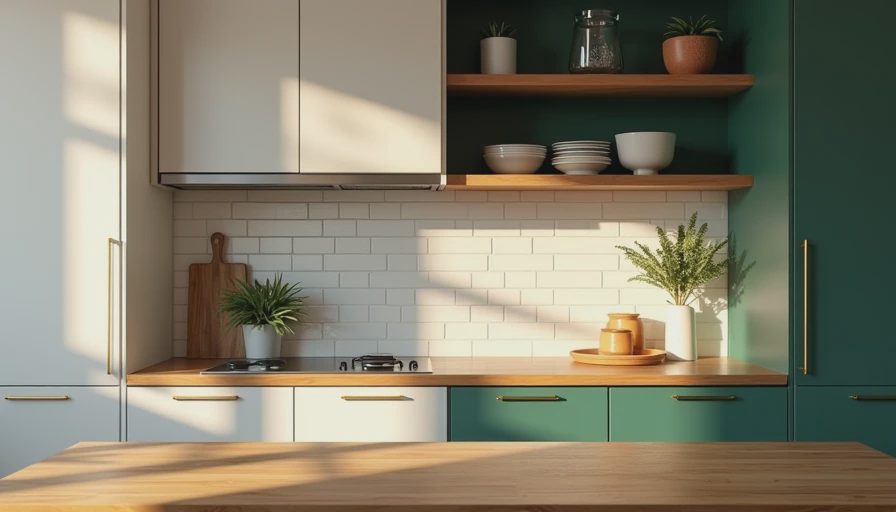
The Honeymoon Phase of Renovation
Hey, Jack Whittaker here from suburban Indianapolis. We’re deep into the launch roadmap now, and if you’ve been reading along, you know I’ve covered budget traps, contractor lessons, flooring mistakes, cabinet upgrades, countertops, change orders, entryway chaos, and the hidden costs of cheap materials. Today in House Decisions we’re talking about those choices that feel like wins on move-in day but turn into quiet regrets as real family life kicks in.
I made several of these myself. Everything looked fresh, modern, and smart when the dust settled. Then weeks and months passed with kids, normal wear, and daily routines — and suddenly those “great” decisions weren’t so great anymore. Here are the five that still make me shake my head.
1. All-Light Colors and Finishes
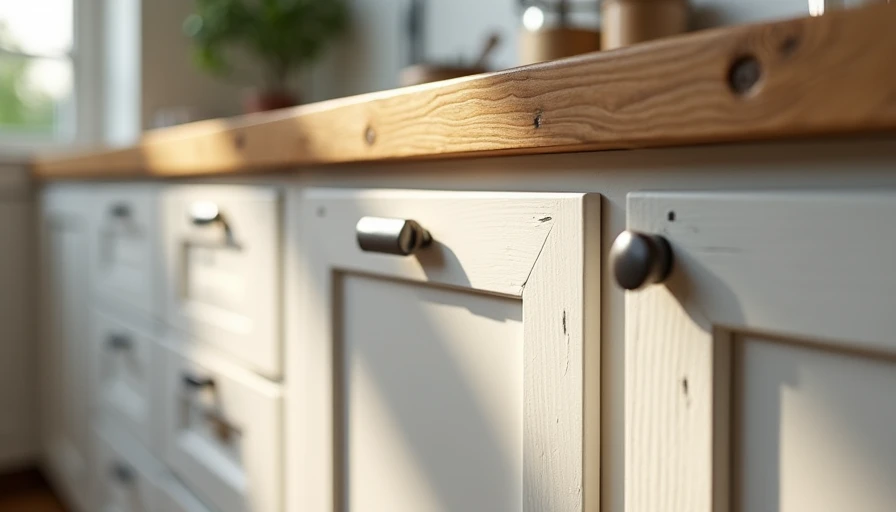
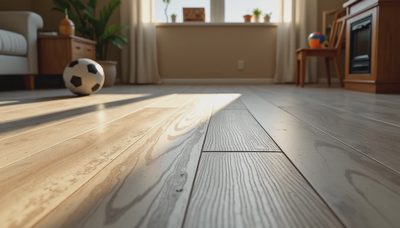
On move-in day, the bright white cabinets, light gray flooring, and pale walls made the house feel huge and clean. Instagram gold.
Six months later? Every fingerprint, scuff, and speck of dirt showed. The kids’ handprints on cabinets, shoe marks on floors, and coffee splashes became constant eyesores. Light colors photograph beautifully but demand museum-level maintenance in a real family home.
Better Approach: Medium tones with subtle patterns or texture. They hide daily wear while still feeling bright and open.
2. Open Shelving Everywhere
It looked so organized and stylish when we styled it perfectly for the reveal. Cookbooks, pretty dishes, curated decor.
Reality hit fast. Dust collected quickly, kids reached for things and created avalanches, and the visual clutter made the kitchen feel chaotic during busy times. Maintaining that perfect look took more effort than we had.
Better Approach: Mix closed storage for everyday mess with a few open shelves for carefully chosen items high up and out of reach.
3. Minimalist Hardware and Fixtures
Simple, sleek knobs and pulls felt modern and clean. Basic faucets looked crisp.
After a year, loose hardware, fingerprints everywhere, and cheap-feeling operation made everything feel tired. Kids yanked on things and the minimalist design showed every mark.
Better Approach: Slightly more substantial hardware with good weight and soft-close mechanisms. It feels better and lasts longer without looking ornate.
4. Maximizing Open Concept Without Enough Zones
Knocking down walls for that big open flow felt liberating on day one. The house felt spacious and connected.
Then family life showed the downside: noise traveled everywhere, no place to contain kid chaos, and traffic jams during cooking and homework time. It went from “open and airy” to “loud and overwhelming.”
Better Approach: Create soft zones with furniture, rugs, or half-walls. Visual openness with some acoustic and visual separation works much better for families.
5. Trendy But Delicate Materials
That beautiful thin tile backsplash and delicate light fixtures looked designer-perfect initially.
Chips on the tile edges from normal use and broken glass shades from kids playing turned them into maintenance headaches. Trends age fast when they aren’t durable.
Better Approach: Classic styles with proven durability. Focus on timeless rather than trendy for high-use areas.
Why These Choices Feel So Good at First
Move-in day is exciting. Everything is clean, new, and styled. You’re tired from the project and just want to enjoy it. But real life — wet shoes, sticky hands, toys, and time — reveals the truth. That’s why the core question here at No Regret Remodel is always: “Looks good now, but how does it live?”
Lessons That Changed How I Choose Now
Test everything with real family scenarios before final decisions.
Prioritize maintenance reality over initial wow factor.
Think 3-5 years ahead, not just reveal day.
Balance trends with timeless practicality.
Remember kids grow and needs change — build in flexibility.
What I’d Do Differently Next Time
I’d spend more time simulating daily routines during the planning phase. Walk through mornings and evenings with pretend backpacks and shoes. Sit at the future island and imagine cooking while kids are home. That kind of testing would have saved me from several of these choices.
Action Step for You
Look around your current space or renovation plans. Identify any of these five temptations. For each one, ask the hard question about long-term livability. Swap one risky choice for a more durable option before it’s too late.
House Decisions exists to help you make calls that serve your family for years, not just look good in photos. I made the mistakes so you can avoid them.
Which of these (or other choices) have you experienced in your own home? Share in the comments — your story might save someone else from the same regret.
Thanks for following the series. We’re nearing the end of the initial 20-post roadmap. Next we’ll head back to Contractor Radar with my personal red flags list.
Remember the mantra: You don’t need the fanciest house. You need fewer dumb mistakes — especially the ones that feel smart at first but age fast.

No letters yet — be the first to write.