The Cabinet Decision That Still Makes Me Smile
Hey, Jack Whittaker here from our suburban Indianapolis home. If you’ve been following this series, you know I’ve spilled the beans on budget blowouts, contractor gotchas, flooring fails, family-living realities, and decoding those dangerous “standard” phrases. Now we’re back in House Decisions with a win story — because not every choice has to be a regret.
When we remodeled our kitchen, I went back and forth on cabinets more than any other item. The sticker shock was real. But after living with the results for a couple of years, there’s one upgrade I’m genuinely glad we splurged on. Today I’m sharing exactly what it was, why it’s still paying off, and the practical lessons I learned so you can make smarter cabinet calls for your family home.
My Early Cabinet Mistakes (The Ones That Still Annoy Me)
In our first smaller updates, I went with the cheapest “builder-grade” cabinets to save money. They looked decent on install day — white shaker style, nothing fancy. But within months the doors started sagging, the particleboard sides swelled slightly near the sink, and the cheap hardware felt loose every time the kids yanked them open.
That experience taught me: “Looks good now, but how does it live?” Cheap cabinets become daily frustrations fast in a busy household with kids.
The Upgrade That Delivered Real Value
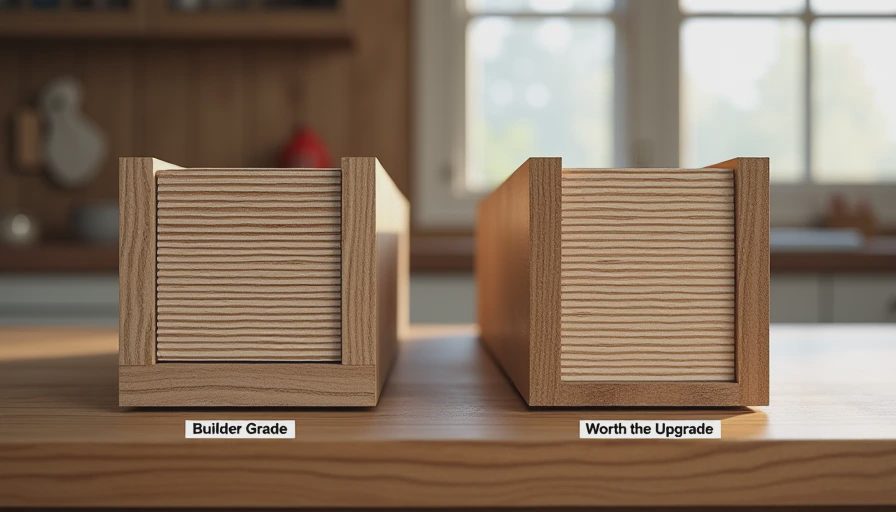
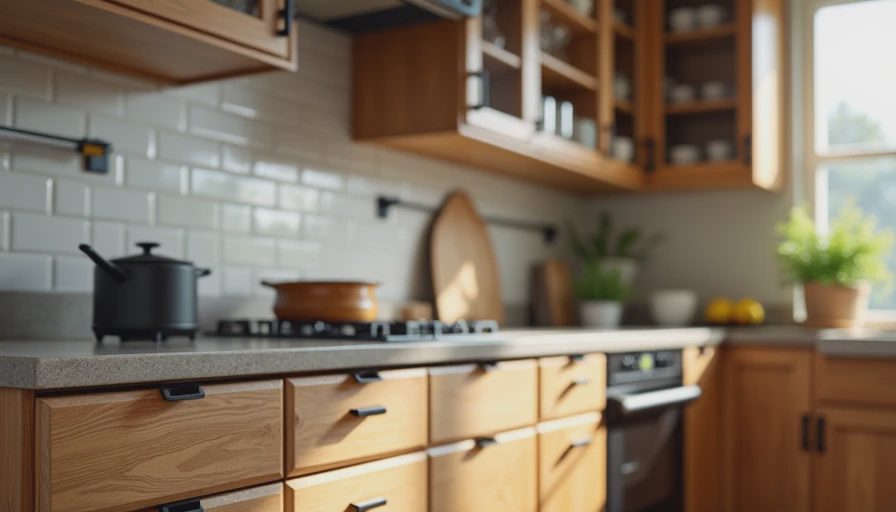
We invested in full-overlay solid wood cabinets with soft-close hardware and plywood box construction for the main kitchen redo. Yes, it added several thousand dollars compared to the base option. But here’s why I’d do it again without hesitation:
1. Plywood Boxes Instead of Particleboard
This was the biggest game-changer. Plywood holds up to humidity, weight, and daily use far better. No swelling near the dishwasher or sink. The boxes feel solid and stay square years later. In a family kitchen that sees constant moisture and heavy use, this single upgrade prevents so many future headaches.
2. Soft-Close Doors and Drawers
I was skeptical about the extra cost at first. Now I can’t imagine life without it. No more slamming doors waking up the kids or pinched fingers. The quiet, smooth operation makes the whole kitchen feel higher quality and less chaotic during busy mornings.
3. Full-Extension, Heavy-Duty Drawer Slides
These let us use deep drawers that actually pull all the way out. No more digging in the back for pots and pans. The heavy-duty slides handle the weight of kids “helping” unload without sagging. Worth every penny.
4. Better Interior Finishing
We added simple pull-out trays and better shelf materials. Not ultra-luxury, but enough to make the insides functional instead of frustrating.
What I Wouldn’t Spend Extra On Again
Not every upgrade is smart. Here’s what I’d skip or minimize next time:
Ultra-premium exotic wood species — Stick with solid maple, oak, or birch. The visual difference doesn’t justify the huge price jump for everyday family use.
Intricate decorative molding or glass doors everywhere — They look beautiful in photos but collect dust and require more maintenance. Use them sparingly as accents.
Custom painted finishes on site — Factory-finished cabinets are more durable and consistent. On-site painting often chips faster with kids around.
How to Decide What’s Worth It for Your Family
Ask yourself these practical questions before pulling the trigger:
How many years do you plan to stay in the house?
How rough are your kids (and pets) on cabinetry?
How important is quiet operation during early mornings or nap times?
What’s your actual daily storage needs versus Instagram aesthetics?
From my purchasing background, I also recommend getting physical samples of the box construction and hardware. Open and close them repeatedly in the showroom. Load them up with weight if possible.
Real-Life Impact After Two Years
Our kitchen now feels calm and functional even on the busiest days. The soft-close feature alone has reduced noise and arguments. The solid construction means everything still looks and works great — no sagging doors or sticky drawers. When friends ask for advice, this is the upgrade I always point to first.
It wasn’t the fanciest option available, but it was the smartest for our family reality.
Bonus Tips for Smarter Cabinet Choices
Compare at least three quotes with identical specs.
Prioritize function over finish in high-use areas.
Consider semi-custom lines — they often give you 80% of the custom benefit at better pricing.
Factor in installation quality — even great cabinets fail with bad install.
Think about resale — quality cabinets are a solid value-add for most suburban family homes.
Why This Fits the No Regret Philosophy
You don’t need the most expensive kitchen on the block. You need cabinets that work day after day without driving you crazy or requiring early replacement. That’s the difference between a renovation you love and one you tolerate.
House Decisions is all about these practical calls — the ones that quietly improve daily life instead of just looking good in photos.
Your Action Step
If you’re currently shopping cabinets, take my checklist to your next meeting. Focus on box construction, hardware, and soft-close features first. Those deliver the highest return on investment for family homes.
What cabinet choice have you made (good or bad) that still affects your daily life? Share in the comments — let’s help each other avoid the common traps.
Thanks for reading. We’re making good progress through the launch roadmap. Next time we’ll tackle another Family-Tested Home topic. In the meantime, choose upgrades that serve your real life, not just the reveal photos.
You’ve got this.

No letters yet — be the first to write.