The Kitchen That Taught Me the Most About Value
Hey, Jack Whittaker here from suburban Indianapolis. We’re nearing the end of the initial launch roadmap, and if you’ve been reading along, you know I’ve shared the good, the bad, and the “never again” from our family home renovation. Budget Bruises, Contractor Radar, flooring fails, cabinet upgrades, countertops, change orders, storage solutions — I’ve laid it all out so you can skip my mistakes. Today we’re back in Budget Bruises talking kitchens specifically: where I’d spend more money again without hesitation, and where I’d hold back next time.
Kitchens are usually the biggest single investment in a family remodel, and they get used constantly. Make the wrong calls and you feel it every single day. I over-spent in some areas that didn’t matter much and under-spent in others that still annoy me. Here’s my honest breakdown after living with the results for a couple of years with two active kids.
Where I’d Spend More Again (High-ROI Choices)
1. Cabinet Construction and Hardware
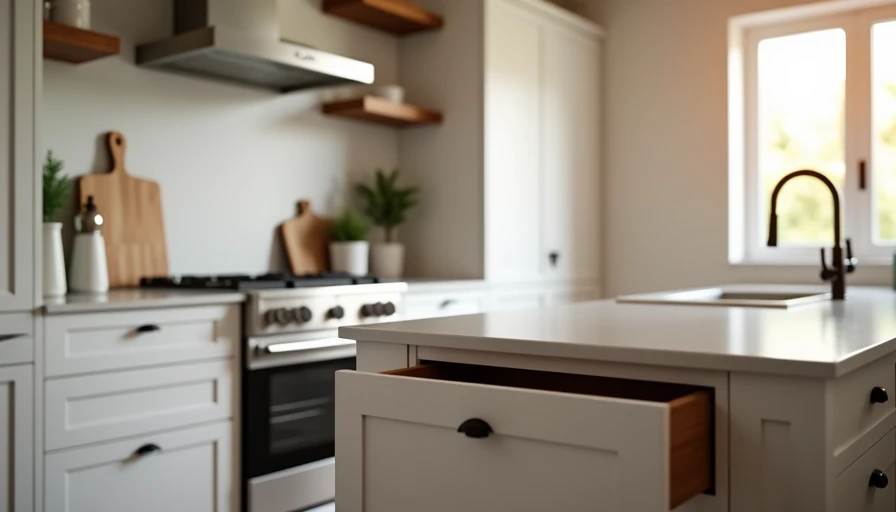
As I covered earlier, plywood boxes, soft-close hinges, and full-extension heavy-duty drawers were worth every extra dollar. They still feel solid and quiet after years of daily abuse. Cheap particleboard and basic slides would have failed by now. This is non-negotiable in a busy family kitchen.
2. Quality Countertops with Proper Thickness and Edges
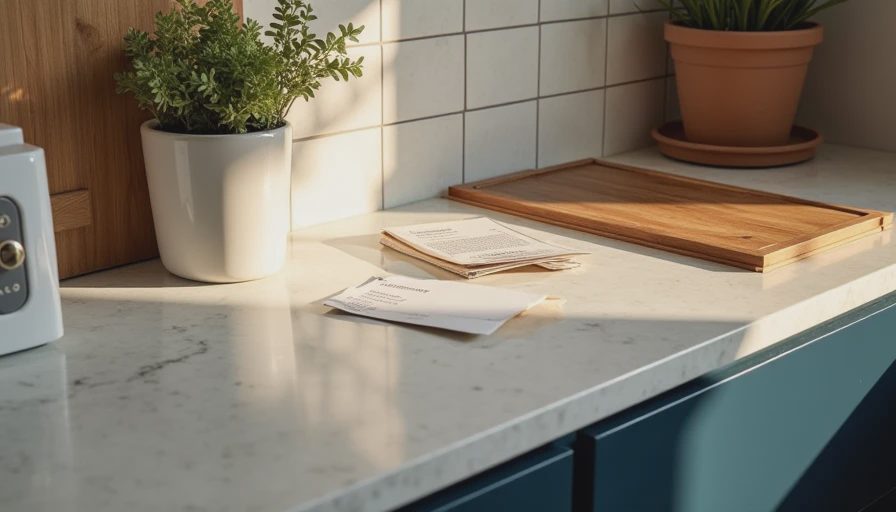
I learned this one the hard way. Going with 3cm quartz and a substantial edge profile made the island feel durable and functional. The extra cost for better fabrication and overhang paid off in daily use and resale appeal. Thin, cheap edges chip and look dated fast.
3. Proper Flooring for High Traffic
Thick luxury vinyl plank or well-installed engineered hardwood with a strong wear layer. It handles spills, kids sliding in socks, and dog nails without constant worry. I wouldn’t go cheap here again — the replacement hassle is brutal.
4. Good Lighting Layers
We invested in recessed lighting, under-cabinet task lights, and a nice pendant over the island. The difference in how the kitchen feels at 6am during breakfast or during homework time is huge. Cheap fixtures look dated quickly and don’t perform.
5. Ventilation and Plumbing Quality
A powerful range hood that actually vents outside (not recirculating) and solid plumbing under the sink. These prevent moisture issues, grease buildup, and future repair headaches. Worth the premium.
Where I’d Save or Go Mid-Range Next Time
1. Fancy Backsplashes
We did a full-height tile backsplash that looked amazing on reveal day. It was expensive and time-consuming. A good quartz or simpler tile up to 4-6 inches above counters would have been plenty. The full statement wall didn’t add proportional daily value.
2. Ultra-Premium Appliances
We went mid-to-high end and they work great. I wouldn’t go full luxury next time unless we cook professionally. Reliable brands with good warranties at the upper-mid range give 90% of the benefit without the massive premium.
3. Custom Painted Finishes or Exotic Wood
Stick with factory-finished cabinets in classic colors. On-site painting chips with kids around, and exotic woods don’t justify the cost for everyday family use. Maple or oak does the job beautifully.
4. Over-the-Top Island Features
We added a nice island but I overthought the waterfall edge and extra seating. A solid, well-proportioned island with good storage is plenty. The fancy details added cost without changing daily life much.
5. Decorative Hardware Trends
Basic upgraded pulls in a timeless finish are fine. We didn’t need the trendy mixed metals or super-custom knobs. They get fingerprints and can date faster than you expect.
My Decision Framework for Kitchen Spending
I now use this simple test for every line item:
How many times per day will this get used or touched?
How visible is wear and tear?
What’s the total cost of ownership (initial + maintenance + replacement)?
Does it solve a real family pain point or just look good?
From my purchasing background, I also compare “cost per year of service.” A $500 upgrade that lasts 15 years is cheaper than a $200 option that needs replacement in 5.
Real-Life Impact After Living With the Choices
The areas where we spent more feel calm and functional even during chaos. Mornings run smoother, cleaning is easier, and nothing nags at me constantly. The places where we tried to save show their weaknesses more often — little frustrations that add up.
That’s the core lesson of Budget Bruises: it’s not about spending the least or the most. It’s about spending wisely on what actually matters for your family’s real life.
Lessons That Apply Beyond the Kitchen
These principles work for any major renovation area. Prioritize the systems and surfaces that take daily abuse. Be willing to spend on durability and function. Save on decorative or low-use elements.
Action Step for Your Kitchen Project
List every major kitchen element you’re considering. Mark them as “high daily use” or “low.” Allocate your budget accordingly — put more toward the high-use items. Get multiple detailed bids and compare line by line.
What kitchen spending decision do you regret or feel great about? Share in the comments. Your experience might save someone else thousands.
Thanks for sticking with me through these launch posts. We’ve covered a lot of ground. Next we’ll continue House Decisions with paint, lighting, and hardware — the small decisions that quietly run the room.
Remember the mantra: You don’t need the fanciest house. You need fewer dumb mistakes — especially in the heart of the home where your family spends the most time.

No letters yet — be the first to write.