The Photo-Perfect Trap I Fell Into
Hey, it’s Jack Whittaker again from our messy-but-happy suburban home in Indianapolis. If you’ve read the earlier posts, you know I’ve shared some budget bruises, contractor lessons, and that painful flooring mistake. Now we’re diving into Family-Tested Home — the category closest to my heart because this is where the rubber meets the road (or the muddy shoes meet the floor).
When we started our remodel, I’ll admit it: I was half designing for real life and half imagining the “after” photos. Open concept kitchen, sleek lines, beautiful surfaces. It looked amazing in the 3D renderings. Then we moved back in with two young kids, and reality hit like a pile of soccer gear exploding in the entryway.
The house that photographed perfectly felt chaotic to actually live in. That’s when I realized the core truth of this whole blog: “You don’t need the fanciest house. You need fewer dumb mistakes.” And the biggest mistake is renovating for photos instead of for your family’s real daily rhythm.
What “Family Renovation” Actually Means in Practice
Renovating for a family shifts every decision. Suddenly it’s not about clean lines and minimalist counters. It’s about surviving breakfast rushes, homework explosions, wet winter boots, and the endless cycle of toys migrating across rooms.
In our case, the beautiful open layout we loved in pictures created traffic jams every morning. The stylish low shelves that looked great in photos became climbing walls for the kids. The gorgeous white cabinets showed every fingerprint within days.
Here’s what changed when I started thinking like a dad instead of a designer:
Layout Changes That Reduced Daily Chaos
Traffic Flow Matters More Than Open Concept
We knocked down a wall for that open feel, but didn’t plan the pathways carefully. Now the kitchen island is a constant obstacle course during dinner prep while kids are underfoot.
Lesson learned: Map out real morning and evening routines before finalizing layouts. Where do backpacks land? Where do shoes come off? Create natural “drop zones” near entrances instead of fighting the flow.
Kid Height and Safety First
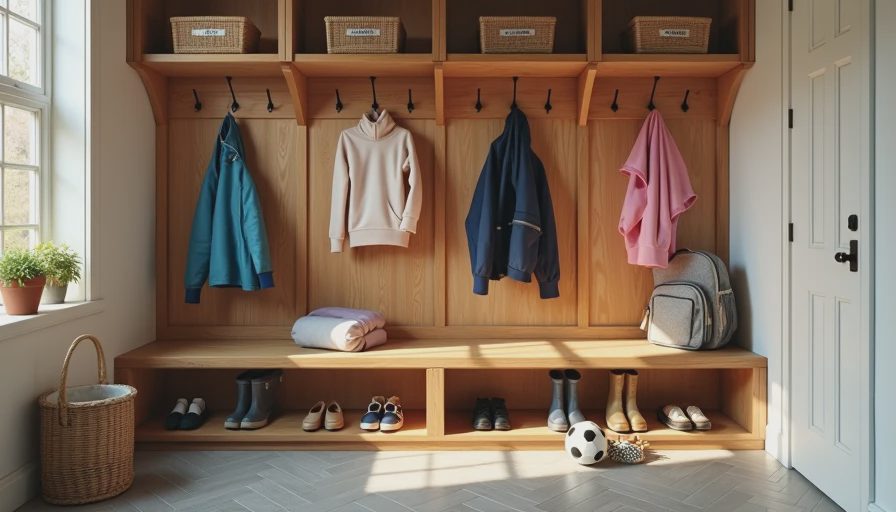
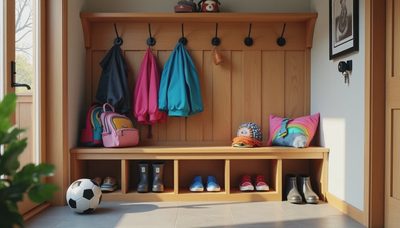
Outlets moved higher, cabinets with soft-close and child locks, rounded corners on islands. We added a small built-in bench in the mudroom with cubbies at kid level. These aren’t sexy in photos, but they prevent arguments and injuries every single day.
Material and Finish Choices Built for Real Life
Durable Over Delicate
That beautiful matte white paint? Beautiful in photos, fingerprint magnet in reality. We switched to eggshell or satin finishes with scrubbable paint in high-traffic areas. Darker baseboards hide scuffs better.
Storage That Actually Gets Used
The Pinterest-worthy open shelving looked great until everything was visible and dusty. We mixed closed cabinets at kid level with a few open spots for pretty baskets. Deep drawers in the kitchen instead of lower cabinets — much easier for little hands and tired parents.
Moisture and Mess Management
Bathrooms and entryways got extra attention to ventilation and waterproofing. We installed a proper mudroom area with a bench, hooks at two heights, and a boot tray that actually contains the mess instead of letting it spread.
The Emotional and Practical Tradeoffs
Renovating for family means accepting that your home won’t look magazine-ready every day — and that’s okay. In fact, it’s better.
I used to stress about keeping surfaces perfect for guests. Now I focus on systems that make the house easy to reset in 10 minutes before company arrives. That shift reduced my stress enormously.
My wife and I now ask three questions before every decision:
How will this work at 7am on a school day?
Will it survive two kids and occasional chaos?
Does it make daily life smoother or just look good in photos?
Real Examples From Our House
The mudroom transformation was a game-changer. Before: shoes piled by the door, jackets thrown on chairs. After: a built-in unit with labeled cubbies, a bench for sitting to put on shoes, and hooks the kids can actually reach. It’s not the fanciest feature, but it prevents 80% of morning arguments.
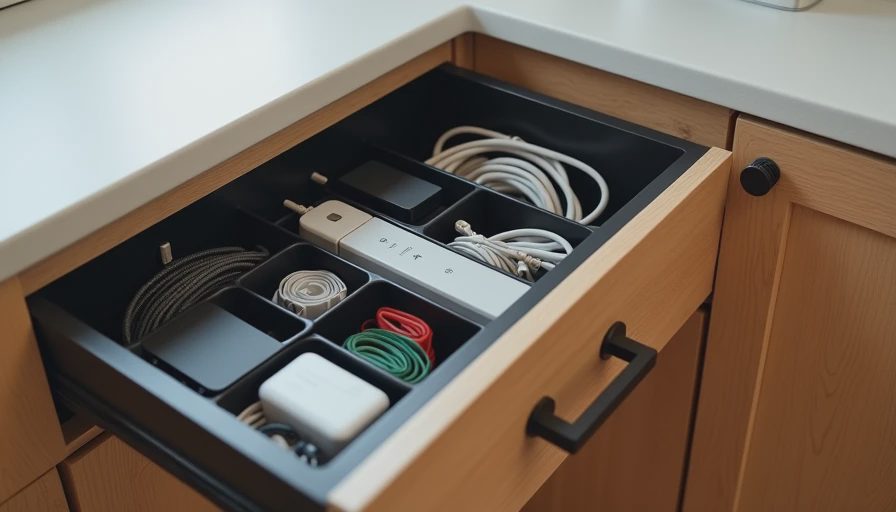
In the kitchen, we added a charging station drawer and a message board area. Small things that keep devices from cluttering counters and notes from getting lost.
The bathroom got a tall, narrow storage cabinet for towels and extra supplies instead of bulky vanities that ate floor space. Much more practical for a family of four.
What I’d Do Differently If Starting Over
Prioritize built-in storage over decorative features in the first phase.
Choose performance fabrics and materials everywhere possible.
Plan for future growth — kids get bigger, needs change.
Include more “reset stations” — spots where mess naturally collects and can be quickly cleared.
Test layouts with actual furniture and movement simulations.
Why This Perspective Is Missing From Most Renovation Advice
Most content shows the reveal day — shiny, empty, perfect. Very few show month six when the family is actually living in it. That’s the gap this blog fills. I’m not a designer. I’m the dad living with the results, taking notes on what works and what drives us crazy.
Family-Tested Home posts will always come back to that question: “Looks good now, but how does it live?”
A Challenge for You
Before you finalize your renovation plans, spend a full day documenting your family’s real routines. Take photos of where clutter happens, where people bump into things, what causes daily friction. Use that as your design brief instead of Pinterest boards.
Your future self — the one trying to get everyone out the door on time or cleaning up after a rainy day — will thank you.
This approach has made our house feel like a real home instead of a showpiece. It’s not perfect, but it works for us. And that’s what matters.
Thanks for reading. Stick around as we continue through the roadmap. Next we’ll dig back into more Budget Bruises. In the meantime, tell me in the comments: What’s one change you made (or wish you made) to make your home work better for your family?
Let’s help each other build homes we actually love living in — not just photographing.
No letters yet — be the first to write.