The Day I Realized “Kid-Proof” and “Nice” Could Coexist
Hey, it’s Jack Whittaker again from our lively suburban home in Indianapolis. By now, if you’ve been reading along, you know my journey: the budget surprises, contractor lessons, flooring regrets, cabinet wins, and all the times I chose things that looked great but failed the family test. Today in Family-Tested Home, we’re tackling a myth that trips up a lot of parents: the idea that making your house safe and durable for kids means sacrificing style.
I used to think kid-proof meant covering everything in bubble wrap or buying the ugliest industrial-looking stuff. Turns out, that’s not true. After living through our remodel with two energetic kids, I’ve found real solutions that protect the house, reduce daily stress, and still let the home feel warm and welcoming — not like a padded playground.
Why Most Kid-Proof Advice Misses the Mark
Pinterest and home magazines show two extremes: either pristine white rooms that look impossible with kids, or overly clinical “safe” spaces that feel like a doctor’s office. Real family life sits somewhere in the middle. We need materials and layouts that handle muddy shoes, sticky fingers, thrown toys, and spontaneous fort-building without turning into daily battles or expensive repairs.
In our house, early choices taught me the hard way. That beautiful light fabric sofa? Ruined in under a year. The stylish open shelving at kid height? Constantly messy and dangerous. But with smarter picks, we’ve created a home that’s resilient without looking like a fortress.
What Actually Works: Materials That Survive Real Life
Flooring That Takes a Beating
We switched to high-quality luxury vinyl plank with a thick wear layer in medium tones. It looks like real hardwood but laughs at scratches, spills, and soccer cleats. Darker patterns hide dirt better than light colors, and the textured surface provides grip for little feet. No more constant sweeping or worrying about dents.
Furniture and Fabrics That Fight Back
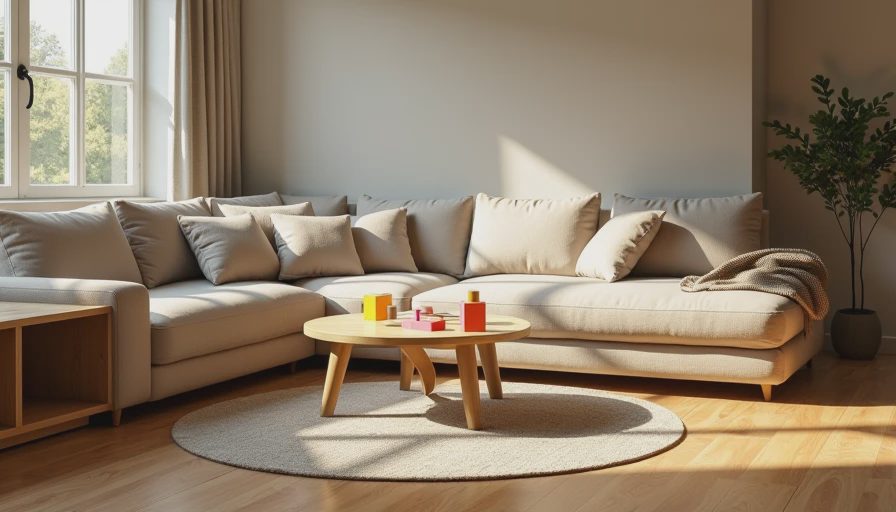
Performance fabrics are a game-changer. Look for stain-resistant, washable upholstery with high rub counts (30,000+). We chose a sectional with removable, machine-washable covers in a warm neutral. It still looks sharp after juice boxes and muddy pants. Leather or faux leather in strategic spots (like ottomans) wipes clean in seconds.
Cabinetry and Hardware Built Tough
As I mentioned in the last House Decisions post, soft-close everything plus solid construction prevents slamming and sagging. We added child-safe locks on lower cabinets but kept the overall look classic shaker style. Nothing screams “kid house” — it just works quietly.
Layout and Storage Solutions That Reduce Chaos
The Mudroom That Earned Its Keep
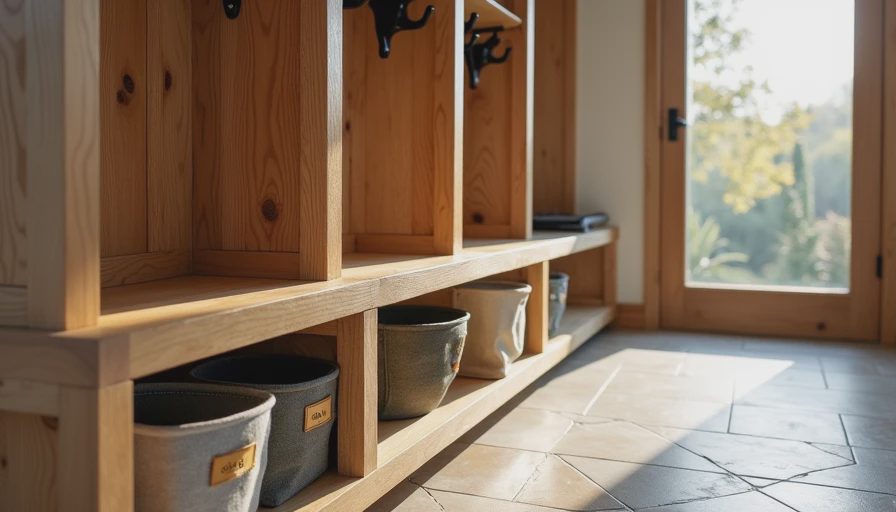
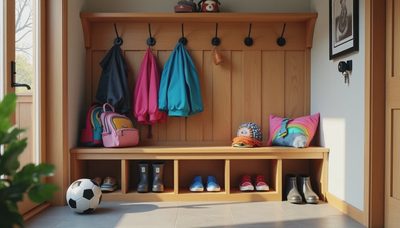
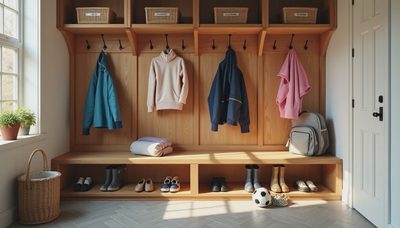
This was one of our best investments. A built-in bench with cubbies at kid height, hooks for jackets at two levels, and a durable tiled floor with a hidden boot tray. Shoes and bags have a place instead of piling by the door. It cut morning stress dramatically and looks intentional, not institutional.
Traffic Flow and Safety Without Sacrificing Style
We rounded corners on the kitchen island, moved outlets higher, and used cordless blinds. Instead of ugly plastic gates everywhere, we installed stylish wood baby gates that blend with the trim. Open sightlines from kitchen to living area let me cook while watching the kids without feeling closed off.
Smart Storage That Disappears
Deep drawers instead of lower cabinets for pots and toys. Built-in window seats with storage underneath. Baskets that look decorative but hold the endless stream of art supplies. The key is mixing closed storage with a few curated open spots so it doesn’t feel sterile.
Lessons From Living With the Results
Two years in, here’s what’s still holding strong:
The textured porcelain tile in the entryway and mudroom shows almost no wear.
Performance upholstery on the main sofa still looks fresh after multiple cleanings.
Soft-close drawers mean fewer pinched fingers and quieter evenings.
Strategic storage means we can reset the house in 10-15 minutes before guests arrive.
The house feels lived-in and loved, not beat-up. That’s the sweet spot.
What I’d Skip Next Time
Cheap “kid-friendly” plastic furniture — it breaks fast and looks bad quickly.
All-white or ultra-light everything — shows every mark.
Too many open shelves in high-traffic kid zones — visual chaos guaranteed.
Trendy but delicate light fixtures — go for durable, cleanable options.
Practical Checklist for Your Family Renovation
Test materials with real-life simulations (spills, scratches, weight).
Prioritize cleanability and durability in high-use zones.
Blend safety features so they enhance the design instead of fighting it.
Think about growth — choose solutions that work as kids get older.
Always ask: “Looks good now, but how does it live with our crew?”
Why This Approach Saves Money and Sanity Long-Term
Kid-proof done right means fewer repairs, less daily frustration, and a home you actually enjoy instead of constantly managing. It’s not about perfection. It’s about creating a resilient space that supports your family’s real rhythm without constant apologies for the mess.
This philosophy drives every Family-Tested Home post. I’m sharing what works in real suburban life with kids — not what photographs best.
Your Turn: Make It Work for Your House
If you’re planning or in the middle of a remodel, walk through your current space and note the daily pain points. Then look for durable, attractive solutions that solve them. You don’t have to choose between safe and stylish.
What’s one kid-proof feature that’s made a big difference in your home (or one you regret not doing)? Share in the comments. We’re all figuring this out together.
Thanks for reading along through the launch series. These early posts are building the foundation of No Regret Remodel. Next we’ll head back to Budget Bruises with more money-saving lessons.
Remember: You don’t need the fanciest house. You need fewer dumb mistakes — and a home tough enough for the beautiful chaos of family life.
No letters yet — be the first to write.