If you're planning a garden this spring, finding raised garden bed materials cheap enough to try without breaking the bank is the first real test. I've built them from scrap lumber, cinder blocks, and even free pallets. Some held up great. Others? Let's just say I learned why that "free" wood wasn't a deal. Here's what actually works when you're on a budget and don't want to rebuild in two years.
Why Cheap Raised Garden Bed Materials Aren't All Created Equal
Before you grab the cheapest option at the home center, know this: not all cheap materials are the same. Some rot fast, some leach chemicals, and some just fall apart under the weight of wet soil. I've seen neighbors use untreated fence boards that turned to mush in one season. The key is finding a balance between upfront cost and how long it'll last. Let me walk you through the specific materials I've tested and recommend.

1. Pressure-Treated Pine: The Workhorse for Budget Beds
Pressure-treated pine is the single cheapest lumber option that will last 5–10 years. A 2x6 board runs around $6–8 at Home Depot. For a 4x8 bed, you're looking at roughly $50–60 in lumber. The trick is using the newer ACQ-treated wood that's safer for vegetable gardens—it's been the standard since 2004. Line the inside with heavy plastic if you're worried about soil contact. I've used this for my tomato beds for three seasons with zero rot.
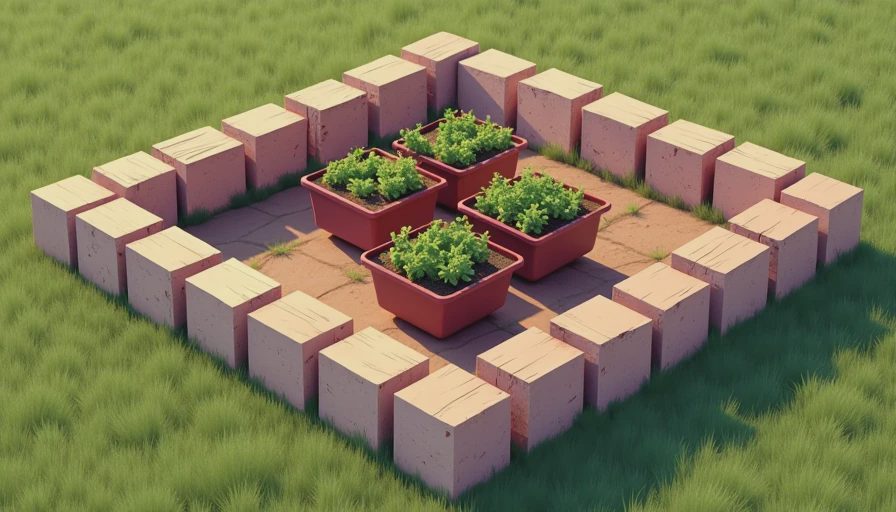
2. Cinder Blocks: Dirt Cheap and Surprisingly Durable
Cinder blocks are my favorite raised garden bed materials cheap and virtually indestructible. At about $1.50 per block, a 4x4 bed costs around $30. Stack them two high for a 16-inch bed. The holes also double as herb planters—throw in basil or marigolds to make use of every inch. Just make sure you get solid-bottom blocks or line them with landscape fabric to keep soil from spilling through. They'll last longer than any wood.
3. Corrugated Metal Siding: Modern Look for Less
Corrugated metal panels (the kind used for roofing and siding) make sleek, long-lasting beds. A 2x8-foot panel costs about $12–15 at a big-box store. You'll need to build a simple wood frame to attach them to, but total material cost for a 4x8 bed stays under $100. The metal won't rot or warp, and it's safe for vegetables if you skip galvanized with lead solder—stick with standard galvanized steel. Pro tip: sand sharp edges or cover them with pool noodles.
4. Reclaimed Lumber and Pallets: Free but Pick Your Pieces Carefully
Free wood is tempting, but you have to be picky. Look for heat-treated (HT) pallets—they're stamped on the side. Avoid chemically treated (MB) ones. Old deck boards, barn wood, or fence slats can work too. The catch: you'll spend time pulling nails and cutting to size. And even HT pallets only last 2–3 years before they start to flake. I'd only go this route if you have access to a steady supply and don't mind replacing sections every season.
How to Source Raised Garden Bed Materials Cheap (and Safe) for Your Garden
Beyond picking the right material, you can save more by shopping smart. Check the lumber clearance rack at Lowe's for warped boards that are still fine for garden use. Look on Facebook Marketplace or Craigslist for leftover materials from other people's projects. Cinder blocks often turn up free on "curb alerts." And don't forget concrete pavers or bricks—sometimes you can grab a pallet for pennies on the dollar from a supplier's overstock. A little legwork can cut your costs in half.
Quick Comparison: Which Budget Bed Material Wins Your Garden?
Choosing the best raised garden bed materials cheap enough for a full garden comes down to matching your budget with your patience and skill level. Pressure-treated pine, cinder blocks, corrugated metal, and reclaimed lumber each have their sweet spot. Here's a snapshot to help you decide fast. Pressure-treated pine is the most traditional option: around $50 for a 4x8 bed, lasts 5–10 years with a plastic liner, and is easy to cut and assemble. Cinder blocks cost about $30 for the same footprint, last 20+ years, and need no tools—just stack and fill. The holes make extra planting space. Corrugated metal beds run $80–100 for a 4x8, last well over a decade, and resist rot entirely. The trade-off is you need to frame them with wood, adding a few hours of labor. Reclaimed pallets are free but only last 2–3 years and require careful inspection for chemical treatment markers. For most home gardeners, pressure-treated pine or cinder blocks offer the best value-to-effort ratio. If you're planning a permanent garden, go with cinder blocks or metal. If you're renting or testing a new space, pallets or pine are fine. All four are safe for vegetables if you follow the simple precautions—line treated wood, check pallet stamps, and avoid galvanized with lead. That's the honest trade-off between cheap upfront and cheap over time.
The Bottom Line on Budget Beds
You don't need expensive cedar or composite lumber to build a solid garden. Pressure-treated pine, cinder blocks, and corrugated metal all give you years of use for very little money. My own garden uses a mix: pressure-treated for the main beds, cinder blocks for herbs, and metal for a long strawberry row. Total cost? Under $200 for 100 square feet of growing space. That's real savings you can put toward soil and seeds. Build smart the first time, and you won't have to rebuild next year.




No letters yet — be the first to write.