How to Choose the Best Flooring for Kids: Durable, Safe, and Budget-Friendly Options
When you're trying to figure out how to choose the best flooring for kids, the options can feel overwhelming. But after two kids and one expensive mistake, I've learned what actually holds up. The first flooring I installed in our playroom looked great but scratched within a month. Since then, I've tested materials, talked to other parents, and found what works for real families. Here's my honest breakdown.
What Makes Flooring Kid-Friendly?
Before you compare products, know what you're looking for. Kid-friendly flooring needs three things: durability, easy cleanup, and safety. Durability means resisting scratches, dents, and stains from toys, spills, and pets. Easy cleanup is a must when you're dealing with juice, marker, or mud tracked in from outside. Safety covers slip resistance and softness for falls, plus you want materials that don't off-gas harmful VOCs. Price matters too – you don't need to spend a fortune, but cheap can cost you more in the long run. Keep these factors in mind as you evaluate each option.
My Top Flooring Choices for Families
Here are the flooring types I recommend after years of real-world wear and tear:
Luxury Vinyl Plank (LVP) – This is my number one pick for most homes. LVP is waterproof, scratch-resistant, and comes in realistic wood looks. It's soft underfoot compared to tile, and you can install it yourself with a click-lock system. Expect to pay $2 to $5 per square foot for quality planks. Brands like LifeProof at Home Depot or Coretec are well-tested. Downside: it can dent under heavy furniture, so use felt pads.
Laminate – Better than it used to be. Modern laminate has water-resistant coatings and much better scratch resistance. It's the cheapest option at $1 to $3 per square foot. But it's not fully waterproof – standing water can warp it. Great for low-moisture areas like bedrooms or living rooms. I've had good luck with Shaw Floors laminate in our den.
Engineered Hardwood – If you want real wood but need stability, engineered wood is a solid choice. It handles humidity better than solid hardwood and can be refinished once or twice. Cost runs $4 to $8 per square foot. I wouldn't put it in a playroom where kid spills are frequent, but for a family room it's a nice upgrade. Just be ready for some scratches – that's patina, I tell myself.
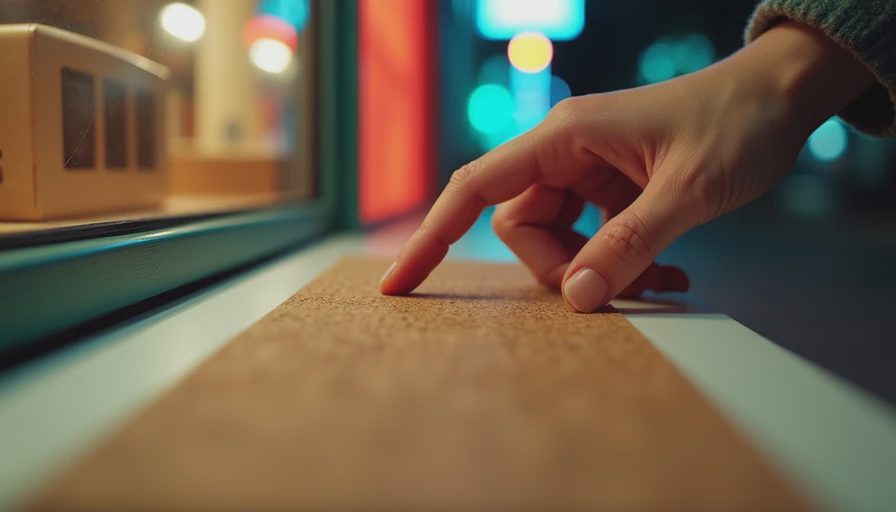
Cork – Soft, warm, and sustainable – cork is a great choice for playrooms. It's naturally antimicrobial and cushions falls. But it's not scratch-resistant. Pet claws can be an issue. It also fades in direct sunlight unless UV-treated. If you have calm kids and no dogs, cork is worth a look at $3 to $6 per square foot.
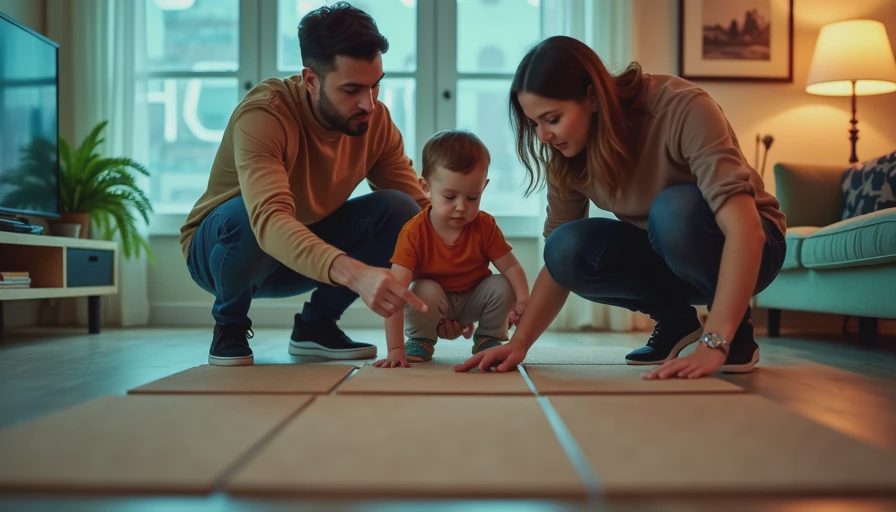
Carpet – I know carpet gets a bad rap for stains, but for babies and toddlers it's hard to beat for safety and warmth. Use a high-quality stain-resistant nylon like Stainmaster. Expect to pay $2 to $5 per square foot installed. Just be ready to clean – and replace every 5-7 years. Carpet tiles are a clever alternative: you can swap out individual squares.
What to Avoid
I've made these mistakes so you don't have to. Skip cheap laminate from big-box store sales – it delaminates when moisture hits. Avoid solid hardwood in kitchens or playrooms – one juice box leak and you're sanding. Stay away from ceramic or porcelain tile in areas where kids play – it's cold, hard, and dangerous for falls. And beware of bargain LVP that's less than $2 per square foot – it often has thin wear layers that scuff easily. You don't need the fanciest house, but you need fewer dumb mistakes.
Budget Wisely
Figure out your budget per square foot including installation. If you're DIYing, LVP is $2-$4/sq ft installed by you. Laminate is $1-$3. If you hire a pro, add $1-$2 per sq ft for labor. Total for a 300 sq ft room: $600-$1,500. Compare quotes – don't just go with the first contractor. Ask for materials breakdown. I saved $400 on my basement by buying flooring myself and paying a local installer. And remember, good underlayment matters – don't skip it.
Installation Tips for Parents
Before you start, bring flooring boxes into the room and let them acclimate for 48 hours. Check subfloor for level – if it's uneven, use self-leveling compound. And plan for expansion gaps around walls and door frames. If you're not a confident DIYer, hire a pro for click-lock floors – one wrong cut and you're wasting material. But carpet padding and carpet tiles are easy enough to do yourself.
Final Thoughts
When you're learning how to choose the best flooring for kids, focus on what works for your daily life, not just what looks good in a catalog. LVP is my go-to for most rooms because it balances cost, durability, and safety. But if you have babies, carpet in the nursery is fine. If you have toddlers, cork in the playroom is great. The key is asking: "How does it live?" Not just "How does it look?" Start by getting samples from a local flooring store or big-box retailer. Bring them home, drop a toy on them, spill some water – and then decide. You'll thank yourself later.


No letters yet — be the first to write.