Why Kids Room Flooring Needs Extra Consideration
When I first remodeled our kids' rooms, I picked flooring based on looks alone. Big mistake. Kids room flooring takes a beating from toys, spills, and active play. Within a year, cheap laminate was peeling in my daughter's room. The right kids room flooring balances durability, safety, and comfort without breaking your budget. You want something that can handle dropped juice boxes, rolling chairs, and the occasional marker cap without showing immediate wear.
You don't need the fanciest house. You need fewer dumb mistakes.
Kids Room Flooring Materials Compared
Carpet
Carpet is soft and warm for crawling toddlers. But it traps dust and stains. For kids room flooring, choose low-pile, stain-resistant nylon. Expect $2–$4 per square foot installed. It needs deep cleaning every six months and replacement every 5–7 years with heavy use.
Hardwood
Hardwood looks great and adds value, but it scratches easily. At $8–$12 per square foot installed, kids room flooring in hardwood requires strict shoe rules and rugs. I'd only recommend it if you're okay with a worn patina over time.
Luxury Vinyl Plank (LVP)
LVP is my top pick for kids room flooring. It's waterproof, scratch-resistant, and comfortable with underlayment. Price $3–$7 per square foot installed. Brands like Coretec and LifeProof hold up well in my son's room after two years of heavy use.
Cork
Cork is warm, antimicrobial, and softer underfoot. It's a great kids room flooring choice for play areas. But sharp toys can dent it. Cost $5–$9 per square foot installed. It lasts 10–15 years with care.
What to Look for When Choosing Kids Room Flooring
Keep these factors in mind when shopping for kids room flooring:
- Durability: Look for a high wear layer on LVP (20 mil or more) or a hard Janka rating on wood.
- Water resistance: Choose waterproof or water-resistant options to avoid damage from spills.
- Comfort and noise: Add underlayment for sound absorption and warmth.
- Easy cleaning: Smooth surfaces like LVP are easier to clean than carpet.
- Safety: Low-VOC materials reduce indoor pollutants. Soft surfaces help with falls.
Cost Breakdown for a Typical 12x12 Room
Here's what you might pay for a 144 sq ft kids room:
- Carpet: $300–$600 installed.
- Hardwood: $1,100–$1,700 installed.
- Luxury Vinyl Plank: $400–$1,000 installed.
- Cork: $700–$1,300 installed.
Labor costs vary by region. In the Midwest, installation runs $1.50–$3 per square foot for most materials. Always get at least three quotes.
Installation and Maintenance Tips
For any kids room flooring, hire a pro for subfloor prep and proper installation. If you DIY, acclimate the material for 48 hours, use a vapor barrier on concrete, and leave expansion gaps. To extend life, clean spills immediately, use felt pads under furniture, and follow manufacturer cleaning instructions. Steam mopping can damage LVP – use a damp microfiber mop instead. Vacuum carpet twice weekly and deep clean every six months.
Frequently Asked Questions About Kids Room Flooring
Is waterproof flooring necessary?
Yes, especially for younger children. Waterproof options like luxury vinyl plank (LVP) prevent damage from spilled drinks, paint, and even potty accidents. Even if you think your child is past that stage, a single spill can ruin non-waterproof flooring like laminate or hardwood. LVP with a waterproof core and a thick wear layer (20 mil or more) handles everyday messes without swelling or staining. It also makes cleaning a breeze—just wipe with a damp mop. If you prefer hardwood, expect to refinish it more often, which adds cost over time. For most families, the small extra investment in waterproof materials pays off in peace of mind and longer floor life.
Which flooring is best for allergies?
Carpet can trap dust, pollen, and mold, which aggravate allergies. If anyone in your family has allergies, consider hard surfaces like LVP or hardwood. These don't hold allergens, but hardwood requires careful sealing to prevent dust collection. Cork is naturally antimicrobial and softer underfoot, but it may off-gas volatile organic compounds (VOCs) if not low-VOC certified. For the best indoor air quality, choose GREENGUARD-certified products, which are tested for low emissions. Also, use a doormat at the entrance and vacuum frequently with a HEPA filter to reduce allergen buildup.
How long does it last?
It varies widely by material. Carpet typically needs replacement every 5–7 years due to stains and wear. Hardwood can last 20+ years but may need refinishing after 5–10 years of heavy use. LVP lasts 10–20 years depending on the quality of the wear layer—choose at least 12 mil for kids rooms. Cork lasts 10–15 years, but sharp toys can dent it. The key is proper installation and consistent maintenance. For high-traffic kids rooms, expect to replace or refinish sooner than in adult spaces. But quality LVP often holds up through the entire childhood of one or two kids without major issues.
Can I install it myself?
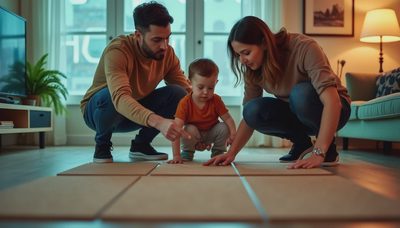
Yes, if you choose click-lock LVP or carpet tiles. These floating floors are DIY-friendly and don't require glue or nails. However, for hardwood or cork, it's wise to hire a professional to avoid gaps, buckling, and moisture problems. If you DIY, the most critical step is preparing the subfloor—it must be clean, level, and dry. Expect to save 30–50% on labor costs, which could be $200–400 on a typical 12x12 room. But mistakes can be costly, so be honest about your skill level. Many homeowners successfully install LVP themselves in a weekend.
Final Thoughts
Choosing kids room flooring is about finding the right balance between cost, durability, and your family's lifestyle. In my house, LVP wins for high-traffic play areas, while carpet works in quieter spaces. The best kids room flooring is one that lets your kids be kids without you worrying about the floor. Remember, you don't need the fanciest house. You need fewer dumb mistakes.


No letters yet — be the first to write.