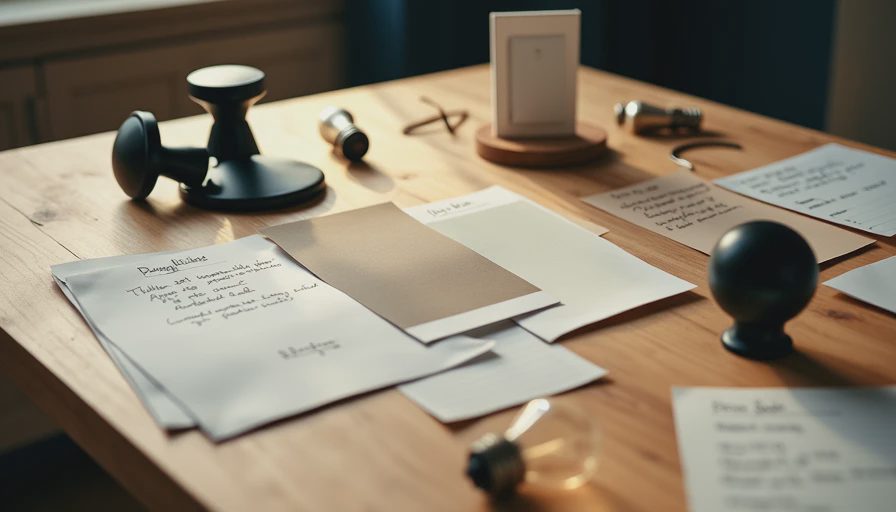
The Details I Almost Underestimated
Hey, Jack Whittaker here from suburban Indianapolis. We’re getting close to wrapping up the initial launch roadmap, and if you’ve been following along, you’ve heard about the big stuff — budgets that exploded, contractor red flags, flooring mistakes, cabinet upgrades, kitchen spending priorities, storage solutions that actually work, and choices that looked smart but aged fast. Today in House Decisions we’re zooming in on the smaller things that quietly make or break a room: paint, lighting, and hardware.
These elements don’t get the glory on reveal day like countertops or cabinets, but they affect how the space feels and functions every single morning and evening. I underthought a few of them early on and paid for it in daily annoyance. After living with the results through busy family life with two kids, here’s what I’d do again and what I’d change.
Paint: The Foundation That’s Harder to Fix Later
I used to think paint was just color on the walls. Pick something nice and move on. Wrong.
What Went Wrong: We went with a trendy light gray in high-traffic areas and a flat finish in the kitchen. It showed every scuff, fingerprint, and kid handprint within weeks. Touch-ups were obvious and frequent.
What Works Better:
Eggshel or satin finishes in family zones — they clean easier and hide imperfections better than flat.
Medium tones with subtle undertones that hide dirt (warm grays, soft taupes, or greiges).
Quality paint with good coverage and scrubbability. The extra few dollars per gallon pay off fast.
I now test samples on actual walls for a full week under different lighting and with real family traffic before committing. “Looks good now, but how does it live?” applies here too.
Lighting: Layers That Transform Daily Life
Lighting was one of the biggest “I wish I’d spent more thought here” items.
Mistakes I Made: Relying mostly on overhead recessed lights and a couple of basic pendants. The kitchen felt harsh in the mornings and dim in the evenings. Shadows in the wrong places made food prep frustrating.
What I’d Do Again:
Layered lighting: Ambient (recessed), task (under-cabinet and over sink), and accent (island pendants, wall sconces).
Dimmable everything — especially in kitchens and living areas where kids do homework or you want a calm evening vibe.
Warm color temperatures (2700K-3000K) for a cozy, welcoming feel instead of cold daylight bulbs.
Smart switches or simple dimmers that even the kids can use safely.
Good lighting makes the whole room feel higher quality even if the other finishes are mid-range. It’s one of the highest-ROI decisions in a family remodel.
Hardware: The Daily Touchpoints
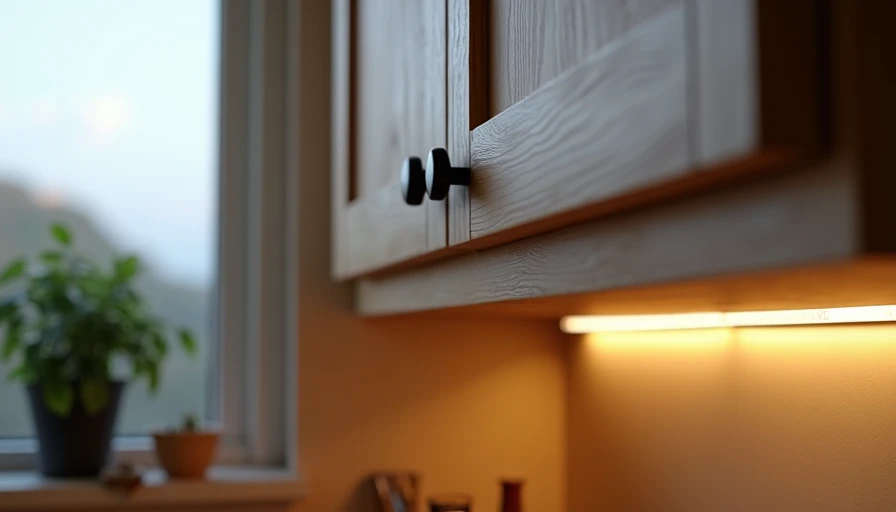
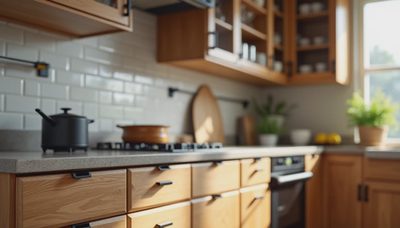
Cabinet pulls, door knobs, faucets, and light switches get touched hundreds of times a day. Cheap ones show wear fast.
Early Regrets: Basic builder-grade knobs that loosened quickly, fingerprint-prone finishes, and faucets that felt cheap and splashed water everywhere.
Upgrades Worth Making:
Solid, substantial pulls and knobs in timeless finishes (matte black, brushed nickel, or classic brass).
Soft-close mechanisms on everything possible — the quiet operation reduces family noise and frustration.
High-quality faucets with good flow and easy-clean finishes.
Consistent style across the room but not matchy-matchy. Mix textures thoughtfully.
Hardware is one area where spending a bit more upfront prevents constant tightening, replacing, or annoyance.
How These Small Decisions Work Together
When paint, lighting, and hardware are done right, they create a room that feels cohesive, calm, and easy to live in. The kitchen feels brighter and more functional during busy mornings. The living area feels warm and inviting in the evening. Everything operates smoothly without constant little fixes.
These aren’t the flashy items that wow visitors, but they’re the ones you notice (or get frustrated by) every day.
What I’d Skip or Keep Simple Next Time
Super-trendy paint colors that date fast. Stick with timeless neutrals.
Overly complicated smart lighting systems unless you really want them. Basic dimmers are often enough.
Ultra-expensive designer hardware. Good quality mid-range performs great.
Practical Checklist for Your Project
Test paint samples in real lighting and traffic areas for at least a week.
Plan lighting in layers — draw it out and think about different times of day.
Choose hardware you can grip easily with wet or greasy hands.
Get physical samples and live with them in the space.
Always ask: Will this still feel good after two years of family use?
The Bigger Lesson for Family Homes
These “small” decisions quietly run the room because they affect how the space supports your daily rhythm. In a house with kids, soccer bags, homework, and normal mess, functionality and durability in the details matter more than wow-factor finishes.
This philosophy drives every House Decisions post. I’m sharing what actually holds up in real suburban family life.
Action Step Right Now
Walk through your main living or kitchen space. Note the paint condition, how the lighting feels at different times, and how the hardware operates. Pick one area to upgrade or adjust this month. Small changes here deliver outsized daily improvements.
What’s one small detail (paint, lighting, or hardware) that you love or regret in your home? Share in the comments — let’s learn from each other.
Thanks for following the series. We’re almost through the full launch roadmap. Next we’ll head back to Contractor Radar with how to keep a project from drifting without becoming everyone’s enemy.
Remember the core truth: You don’t need the fanciest house. You need fewer dumb mistakes — including underestimating the small decisions that quietly run the room.
No letters yet — be the first to write.