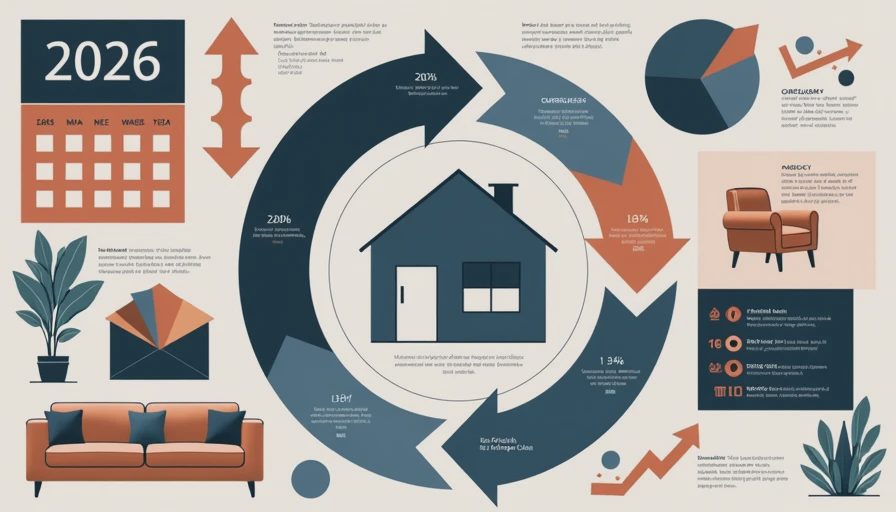
When you look at the 2026 home decor forecasts, one thing stands out: the industry is finally waking up to what families actually need. After years of Instagram-perfect but impractical designs, the new trends focus on durability, livability, and real-world budgets. I’ve sifted through dozens of predictions from major retailers and design shows to separate the smart buys from the hype. Here’s what you should actually consider before you buy paint, furniture, or flooring this year.
The Rise of Low-Maintenance Materials
According to the 2026 home decor forecasts, homeowners are ditching high-maintenance surfaces like polished marble and solid hardwood. Instead, expect to see more engineered quartz, luxury vinyl plank (LVP), and porcelain tile that looks like wood. These materials hold up against kids, pets, and everyday spills without constant refinishing or sealing. For example, LVP runs $3–$7 per square foot installed—far less than real hardwood at $8–$15. And quartz countertops, at $50–$100 per square foot, resist stains better than granite. Brands like Coretec, Shaw, and MSI are leading the charge with realistic textures that don’t scream “fake.” In my own kitchen remodel, I went with a large-format porcelain tile that looks like slate. Three years in, it still looks new—no sealing, no regrets.
Color Trends That Actually Hold Up
Forget the garish jewel tones or stark whites of recent years. The 2026 home decor forecasts predict warm, earthy neutrals like Sherwin-Williams’ “Accessible Beige” and Benjamin Moore’s “Revere Pewter” as the go-to shades. These colors work in any room and hide dust and fingerprints better than black or navy. Trim and ceilings will shift from bright white to a soft off-white, which reduces glare and feels cozier. If you’re painting a rental or a room you’ll soon sell, stick with these safe but stylish tones. And don’t be afraid to use an eggshell finish—it’s washable and shows fewer imperfections than flat paint.
Smart Storage and Multipurpose Spaces
These 2026 home decor forecasts emphasize flexible floor plans. Designers are ditching formal dining rooms and dead-end corners in favor of built-in shelving, banquettes with hidden storage, and mudrooms that double as laundry drop zones. IKEA has a new modular system called “BOAXEL” that lets you customize pantry or closet storage for about $200–$500 per section. For under-stairs space, consider pull-out drawers or a cozy reading nook with storage below. The key is to think vertical—floor-to-ceiling cabinets or open shelving can store twice as much while making a room feel bigger. Don’t buy trendy bins or baskets; invest in sturdy, clear containers so you actually see what’s inside.
The Tech That’s Worth the Investment
Not every smart home gadget delivers convenience without frustration. The 2026 home decor forecasts highlight energy-saving upgrades like smart thermostats (Nest, Ecobee) and dimmable LED lighting with color temperature control. These can cut your electric bill by 10–15% and cost under $200. Motorized blinds from brands like IKEA or Lutron are gaining traction for hard-to-reach windows, but skip the fancy voice-controlled options unless you’re already in that ecosystem. On the other hand, skip smart refrigerators with screens—they’re pricey ($3,000+) and the tech becomes dated fast. A basic stainless model with an ice maker will serve you better over the long haul.
Trends to Skip in 2026
Some forecasts push wild ideas that just don’t fit a family home. Avoid these: all-white kitchens (hard to keep clean, shows every crumb), open shelving in kitchens (dusty, cluttered, hard to reach), wall-to-wall carpet in any room (traps allergens, wears unevenly, harder to replace than LVP), and statement ceilings (expensive to install and paint, and they can make a room feel smaller). Also, don’t fall for custom built-in furniture that can’t be moved—your next family layout will change. Stick with freestanding pieces you can rearrange.
A Quick Checklist for Budget-Friendly Updates Under $500
If you’re ready to act on the 2026 home decor forecasts without breaking the bank, try these five low-cost upgrades that deliver high impact. First, swap out outlet covers and switch plates for larger, screwless versions in white or brushed nickel—they cost about $2 each and instantly modernize a room. Second, add a peel-and-stick backsplash in the kitchen or bathroom; a 12-square-foot roll runs $30–$60 and takes a weekend to install. Third, replace hollow-core interior doors with solid-core ones—around $100 per door at Home Depot—for better soundproofing and a heavier feel. Fourth, install a dimmer switch on the main light in living and dining rooms; a Lutron dimmer costs $15–$25 and takes ten minutes to install. Fifth, paint an accent wall in a warm neutral like Sherwin-Williams “Agreeable Gray” for under $50 in paint and supplies. These small changes align with the forecasted trend toward low-maintenance, livable spaces and can be completed in a single weekend.
Final Thoughts: Spend Smart, Regret Less
To sum up the 2026 home decor forecasts, the smart money is on materials and layouts that reduce maintenance, improve storage, and won’t make you cringe when the kids walk through with muddy shoes. You don’t need the fanciest house. You need fewer dumb mistakes. Start with durable flooring, warm neutrals, and flexible storage, and skip the rest. Your future self—and your wallet—will thank you.




No letters yet — be the first to write.