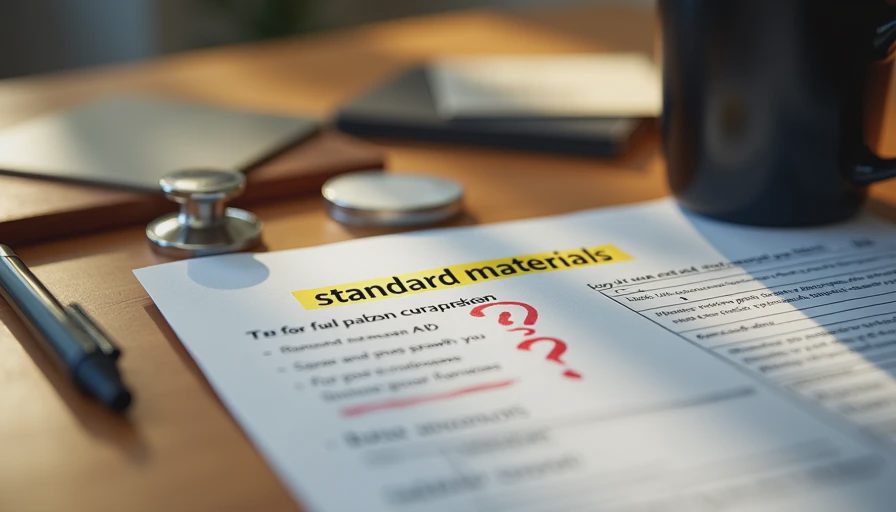
The Innocent-Sounding Phrase That Cost Me Money
Hey, it’s Jack Whittaker back again from suburban Indianapolis. By now you know my story — the budget that exploded, the flooring fail, the photo-focused mistakes, and all the contractor lessons I’m sharing so you don’t have to learn them at full price. We’re back in Contractor Radar with one of the sneakiest phrases in the entire renovation world: “That’s standard.”
I can’t tell you how many times I heard those two words during our first big remodel. They sounded reassuring. Professional, even. Until I realized they were often code for “you’re going to pay more later” or “we’re cutting corners here.”
Today I’m breaking down exactly what “That’s standard” usually means, why it’s dangerous, and how I learned to push back effectively. This one simple awareness has saved me thousands since.
Why “Standard” Is a Red Flag Word
Contractors use “standard” because it sounds safe and industry-approved. But standard for whom? A flipper trying to maximize profit? A builder-grade spec for new construction? Or real family homes that need to survive kids, pets, and daily life?
In our early projects, “standard” meant:
Thin wear-layer flooring that scratched in weeks
Particleboard cabinet boxes that swelled with humidity
Basic electrical work that didn’t account for modern appliance loads
Paint finishes that showed every mark
None of that felt standard once we were actually living in the house.
Common “That’s Standard” Traps I Encountered
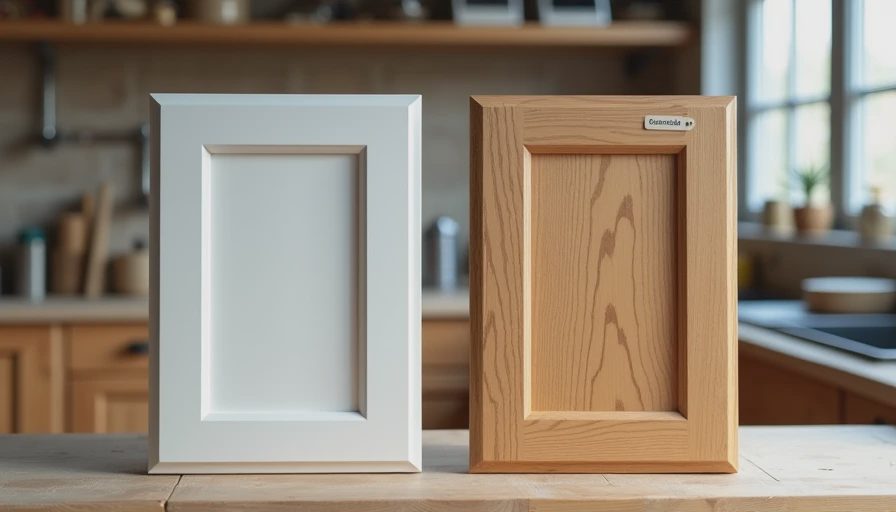
“Standard materials are included.”
Translation: Builder-grade stuff that looks okay for six months. When I pushed for better quartz or hardware, suddenly it was a big upcharge. Always ask: “Which specific brand and grade is standard here?”
“Standard installation is fine.”
Translation: Quick and cheap. In our case, “standard” flooring install skipped proper subfloor prep. We ended up with squeaks and gaps. Demand details on underlayment, transitions, and acclimation time.
“That’s standard in most contracts.”
Translation: We’re not offering extra protections. I now insist on seeing the actual contract language and compare it to what consumer protection groups recommend.
“Standard timeline for this scope.”
Translation: Optimistic best-case scenario. Weather, supply delays, and crew scheduling rarely cooperate. Get milestone dates with accountability.
“Standard warranty.”
Translation: Minimal coverage, short duration, lots of fine print. Great contractors stand behind their work longer and clearer.
How I Respond When I Hear “That’s Standard”
I’ve developed a calm but firm follow-up script that works well:
“Can you show me exactly what ‘standard’ includes for this project?”
“How does that compare to the upgraded option in terms of durability for a family with kids?”
“What would it cost to go above standard on this item?”
“Have you had any issues with the standard approach in similar family homes?”
Then I shut up and listen. The way they answer tells me a lot about whether they respect my priorities or just want to close the sale.
Real Story From Our Kitchen Remodel
Mid-project, we were discussing cabinet hardware. “That’s standard” came with basic knobs that felt cheap. When I asked for the upgrade pricing, it was surprisingly reasonable. The contractor admitted most clients don’t ask, so they default to the cheap stuff to keep bids competitive.
Another time, “standard” electrical meant outlets every 6-8 feet. For our kitchen island and family charging needs, that wasn’t going to cut it. Pushing back added a few hundred dollars but made daily life much smoother.
Better Questions to Replace “That’s Standard”
What exactly does “standard” mean in writing for this job?
What percentage of your family-home projects use the standard vs upgraded options?
Can I see photos of both standard and upgraded work from past jobs?
How long does the standard version typically hold up with kids and pets?
What would you personally choose for your own house?
These questions shift the conversation from vague reassurance to specific, useful information.
Pro Tips From My Purchasing Background
Document every “standard” conversation in writing (email summary is best).
Get multiple bids and compare how each contractor defines “standard.”
Build a small contingency fund specifically for upgrading key “standard” items.
Remember the family lens: Does this “standard” choice support our real daily life or just look okay on paper?
Why This Matters for Suburban Families
We’re not building flip houses or designer showpieces. We’re creating homes where kids grow up, where life happens messily, and where we want to feel proud and comfortable for years. Accepting vague “standard” answers undermines that goal.
Contractor Radar exists to give you the language and confidence to push past surface-level answers. The more specific you are in conversations, the better the outcome.
Action Step for Your Next Contractor Meeting
Next time you hear “That’s standard,” smile and ask one of the follow-up questions above. Take notes. You’ll immediately feel more in control — and you’ll likely uncover opportunities to make smarter choices for your budget and family.
This is how we avoid regret: by refusing to accept vague answers on things that matter.
Thanks for sticking with the series. We’re making steady progress through the roadmap. Drop your own “That’s standard” horror stories (or wins) in the comments. Let’s learn from each other.
Next up we’ll continue digging into more practical House Decisions. In the meantime, keep asking better questions — your future home will thank you.




No letters yet — be the first to write.