Let’s be honest: a kids’ bathroom takes more abuse than any other room in the house. Splashes, toothpaste smears, bath bombs, toy trucks hitting the walls. After remodeling two of these rooms in my own home, I learned the hard way what materials I would never use again in a kids bathroom. Some looked gorgeous in the showroom but couldn’t survive a week of real family life. Here’s my list of regretful picks and what I’d spec instead.
Natural Stone Tile (Marble, Travertine, Limestone)
I installed marble hexagon tile on the bathroom floor and lower walls. Looked amazing for exactly two days. Then the kids left a puddle of bathwater overnight, and the stone soaked it up like a sponge. Etching, staining, and sealing every six months? Not happening. The grout lines turned grimy no matter how much I scrubbed. If you’re wondering what materials I would never use again in a kids bathroom, porous natural stone tops the list. Go with porcelain tile that looks like stone—it’s waterproof, never needs sealing, and handles dropped soap dishes without chipping. Cost is similar, but the maintenance difference is night and day.
Painted Drywall for Wainscoting (No Wainscoting at All)
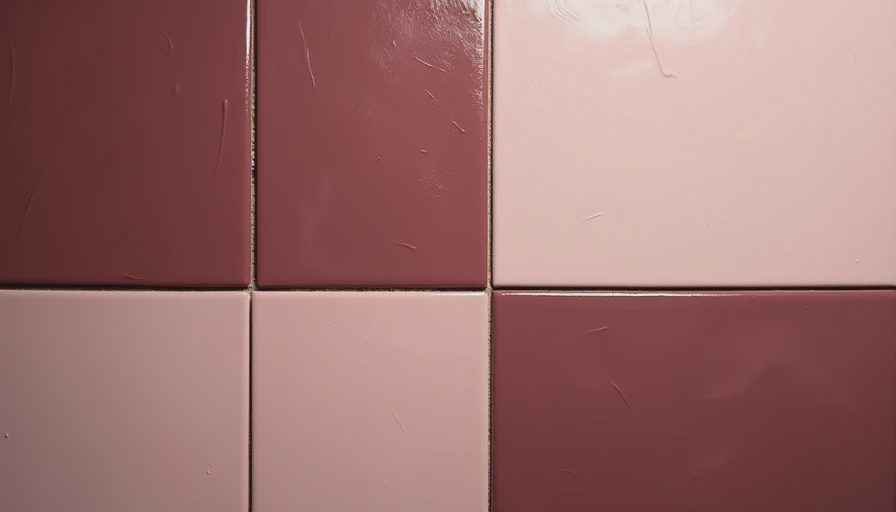
In my first kid bath, I left the lower half as plain painted drywall. Cheap and easy, right? Wrong. Within a year, the paint was peeling near the tub, and a grimy handprint zone developed around the doorknob and sink area. I tried scrubbing, but the texture got weird. That’s when I realized that painted drywall is one of the materials I would never use again in a kids bathroom—at least not on the lower walls. Install beadboard or PVC wainscoting instead. It’s paintable, scrubs clean, and if a toy dents it, you can spot-repair easily. I spent about $150 on PVC panels and it’s held up for three years with zero issues.
Cheap Vinyl Flooring (Peel-and-Stick)
I know, I know—budget is tight. I tried peel-and-stick vinyl tiles in a guest bath that turned into a kids bath. Regret within months. The edges curled from humidity, water seeped between the seams, and the adhesive gave out under a dripping towel. When I replaced it, the subfloor had water damage. Total bill: $800 for removal plus $1,200 for proper LVP. So what materials I would never use again in a kids bathroom? Any sheet vinyl or peel-and-stick that isn’t a luxury vinyl plank with a waterproof core. Luxury vinyl plank (LVP) with a click-lock system runs about $3-5 per square foot installed, and it’s completely waterproof. My son’s bath has it, and after two years of floods and bubbles, it still looks new.
Glass Mosaic Tile (Especially on the Floor)
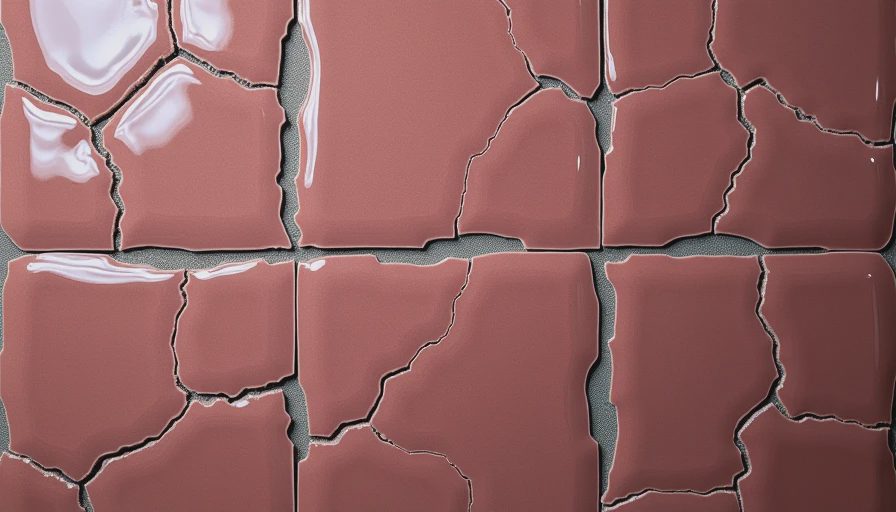
Glass mosaic looked so pretty in the showroom. On the shower floor? Nightmare. The grout lines get grimy fast, and the glass surface is slippery when wet—my daughter took a small fall in the first week. Plus, the thin tiles cracked where the shampoo rack dropped. If you want to know what materials I would never use again in a kids bathroom, glass mosaic on any horizontal surface is a hard no. Use large-format ceramic or porcelain tiles on floors (12x24 inches or bigger) with a textured finish. Fewer grout lines, better slip resistance, and much more durable. Save glass for an accent wall way above splash zone.
Unprotected Natural Wood Cabinetry
Our first vanity was solid oak with a clear stain. Beautiful grain. But in a kids bathroom, every splash leaves a watermark. The finish began to crack around the sink after six months, and the wood swelled near the base. I tried re-sealing, but the damage was done. Now I know: avoid raw or lightly sealed wood. Instead, choose thermofoil, marine-grade plywood with a catalyzed lacquer, or even a solid-surface vanity like Corian. They don’t absorb moisture. I installed a thermofoil vanity for $400 and it wipes clean with no worries. That’s one material lesson I won’t repeat.
Painted or Papered Walls Without a Kickstrip
We painted the walls in a flat sheen—looked fine in the living room, but in a kids bath? Mold spots behind the towel bar, and any splash left a mark that needed repainting. I ended up adding a 4-inch PVC baseboard and a beadboard wainscot up to 48 inches. Now the top half is painted with semi-gloss (easy to clean), and the lower half is PVC. Total cost for the change was about $100, and it saved me from annual repainting. If you’re still questioning what materials I would never use again in a kids bathroom, flat paint on any wall that can get wet is on the list. Use semi-gloss or satin for all bathroom walls, and consider a tile or PVC backsplash behind the sink.
The Bottom Line
You don’t need the fanciest house—you need fewer dumb mistakes. I’ve made plenty, especially with materials that looked good on paper but failed under real kid use. When you plan your next kids bathroom, think about what will survive spilled bubble bath, dropped toothbrushes, and daily chaos. Skip the natural stone, cheap vinyl, glass floor tile, untreated wood, and flat paint. Choose waterproof, scrubbable, kid-proof surfaces. Your future self (and your wallet) will thank you.




No letters yet — be the first to write.