I’ve walked into plenty of homes where the light fixtures look like they belong in a catalog. The problem? They turn a room into a museum—nice to look at, but terrible to live in. That’s why I focus on practical lighting upgrades that improve daily life, not just looks. After a few expensive mistakes in my own suburban Indianapolis home, I learned that good lighting isn’t about expensive statement pieces. It’s about how a well-placed switch, the right bulb temperature, or a motion sensor can save you from stubbing your toe at 2 a.m. or squinting over a cutting board. These upgrades don’t require a designer budget, and they pay off in comfort and convenience every single day.
Why Most Lighting Upgrades Miss the Point
Too many homeowners pick fixtures based on Instagram photos or what’s on sale at the big-box store. They install a fancy chandelier over the dining table and call it done. But the real work happens in the kitchen, hallway, and kid’s room—places where shadows and glare cause daily frustration. The best practical lighting upgrades that improve daily life, not just looks, focus on function first. For example, replacing a single overhead fixture with layered lighting can reduce eye strain and make a room feel larger. It’s not about how the light looks off; it’s about how it feels when you’re cooking, reading, or helping with homework.
Dimmer Switches: The Cheapest Upgrade You’ll Never Regret
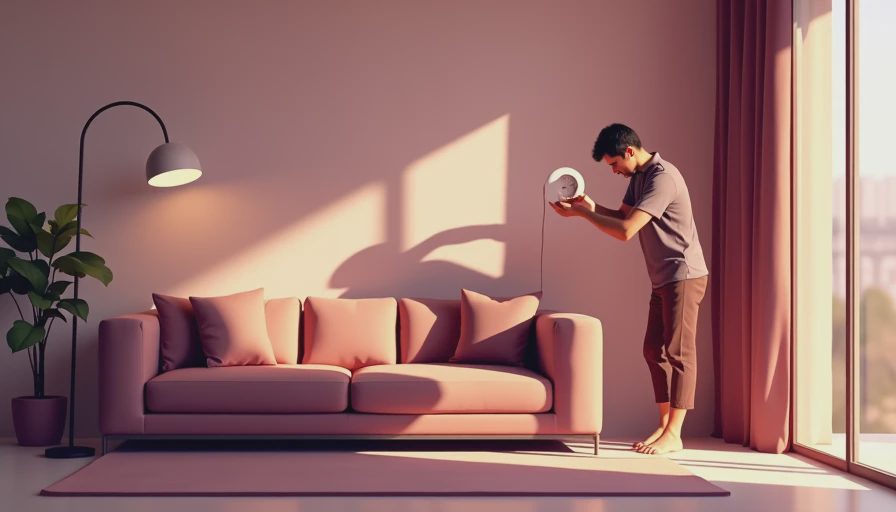
If you only do one thing, install dimmers on your main living area switches. A simple Lutron dimmer runs about $20–$30 and takes ten minutes to swap out. Suddenly, your living room goes from harsh overhead blast to cozy evening glow. No more blinding yourself when you walk in with groceries. Dimmers also extend bulb life and save electricity. I put them in the kitchen, dining room, and master bedroom. For under $100 total, I transformed the mood of the whole house. That’s the kind of practical lighting upgrade that improves daily life, not just looks, and you can do it in an afternoon.
Under-Cabinet Lighting: The Kitchen Game Changer
Standing under a single ceiling light trying to chop onions is a recipe for bad knife work. Under-cabinet LED strips solve that problem instantly. I installed a Philips Hue light strip under my upper cabinets for around $80, and it made all the difference. No more shadows from my own head. The prep area is lit clearly, and cleanup is easier because I can see spills. Other brands like LEPOWER offer hardwired options for about $40 if you prefer a cleaner install. This is one of the few practical lighting upgrades that improve daily life, not just looks, that you’ll notice every time you cook. Pair it with a dimmer, and you’ve got a system that works for both prep and ambiance.
Motion Sensor Lights for Hallways and Closets
My kids leave the hall light on all night. Or they walk to the bathroom in the dark and trip over shoes. Motion sensor lights solved both problems. I put a simple hardwired sensor switch in the hallway for $25 and a battery-operated motion light inside the laundry closet for $15. Now the hall lights come on only when someone walks through, and the closet stays dark until you need it. That saves energy and reduces midnight collisions. For outdoor use, motion sensor floodlights improve security and keep you from fumbling for keys. These aren’t glamorous, but they’re classic practical lighting upgrades that improve daily life, not just looks.

LED Color Temperature: The Secret to Comfort
Most people buy whatever bulbs are cheapest—usually a harsh 5000K daylight that makes every room feel like a hospital. Switch to 2700K–3000K warm white for living areas and 3000K–3500K for kitchens and bathrooms. I swapped all my bulbs to Philips Warm Glow dimmable LEDs for about $5 each. The difference is dramatic. Warm light reduces eye fatigue and makes skin tones look natural. For task areas like a home office, use a dedicated desk lamp with an adjustable color temperature. This simple change is one of the most impactful practical lighting upgrades that improve daily life, not just looks. It costs under $50 to convert a typical floor plan.
Task Lighting for Specific Zones
A single ceiling light forces you to work in your own shadow. Add a swing-arm lamp by your reading chair or a pendant over the kitchen island. I installed an IKEA Forsa work lamp in my garage for $20, and it made wrenching on the lawn mower far less annoying. In the kids’ room, a clip-on LED reading light keeps the overhead off while they read in bed. Task lighting lets you focus light exactly where you need it, reducing strain and improving productivity. These small additions are the hallmark of practical lighting upgrades that improve daily life, not just looks—they’re not decorative, but they make the house work better.
Conclusion: Start Small, Think Long-Term
You don’t need to rewire your whole house. Pick one area that bothers you—a dark kitchen counter, a glaring living room, a shadowy hallway—and apply one of these upgrades. Start with dimmers if you’re not sure where to begin. Then add under-cabinet lights and adjust bulb temperatures. Each step costs under $100 and takes an hour or two. The result is a home that functions better for your actual life, not just for photos. Remember what I always say: You don’t need the fanciest house. You need fewer dumb mistakes. These practical lighting upgrades that improve daily life, not just looks, are the kind of smart moves that pay off every single day.




No letters yet — be the first to write.