You want family room furniture layout ideas that don't fall apart the first time your kid runs through with a toy truck. I've been there—moving the sofa three times, arguing about where the TV goes, and ending up with a room that looks fine in photos but feels cramped every evening. After a few hard lessons in my own suburban house, I've settled on some practical approaches that work for real families, not magazine spreads.
Let's talk about what actually matters: traffic flow, durable seating, storage that hides the clutter, and a setup that lets everyone use the room without tripping over each other. These family room furniture layout ideas are tested by my two kids and a couple of grilling-fueled weekends.
Start with Traffic Flow – Not the TV
Before you drag a single piece of furniture into the room, watch how your family actually moves. Do the kids cut through the middle to get to the kitchen? Is the main path from the hallway straight into the seating area? The biggest mistake I made was putting a big sectional right in the central walking path. Every night, someone stubbed a toe or had to squeeze past.
Try this: tape out the footprint of your furniture on the floor with painter's tape. Leave at least 36 inches of walkway around the main path. That sounds like a lot, but with kids and pets, narrow gaps get annoying fast. If the room is long and narrow, put the sofa parallel to the long wall and use two armchairs opposite rather than blocking the ends. For square rooms, a U-shaped arrangement with a sofa and two chairs works, but pull the sofa away from the wall a few inches—it makes the room feel bigger and allows airflow behind it.
Create Zones Without Walls
In a family room, you need at least two zones: a seating area for conversation or TV, and a play or activity zone. You don't need room dividers; furniture placement can do the job. Place the sofa with its back to the play zone. That creates a natural separation without blocking sightlines. I use a low bookshelf behind the sofa as a landing spot for toys and books—it's accessible from both sides.
Another zone idea: a small desk or table near a window for homework or crafts. Keep it away from the main seating to avoid distractions. If you have a drop-leaf table, you can fold it down when not in use. That's a cheap solution compared to building a built-in.

Choose Furniture That Can Take a Beating
Family room furniture layout ideas only work if the furniture itself survives everyday use. I learned this the hard way with a light-colored fabric sofa that showed every juice stain. Now I recommend performance fabrics like Crypton or Sunbrella—they cost a bit more but clean up with a damp cloth. Look for removable, machine-washable cushion covers. That's not a luxury; it's sanity.
For seating, avoid overstuffed pieces that eat up floor space. Instead, choose slim-arm sofas and chairs that leave more room for walking. Sectionals are popular, but they can lock you into one arrangement. If your room is under 15 feet wide, stick with a sofa and two swivel chairs—they can be turned toward the TV or toward each other for chatting.
Don't Forget Storage – Hidden and Open
A coffee table with drawers or shelves underneath is worth every penny. I use one with two big drawers for remote controls, coasters, and kid stuff. A storage ottoman doubles as a footrest and a toy bin. And a media console with closed cabinets hides the cable mess and game consoles.
But don't overstuff the room with closed storage. Leave some open shelving for baskets or decorative boxes. It breaks up the visual weight. I mounted a simple shelf about six inches below the ceiling along one wall. That holds a few books and framed photos without taking up floor space.
Avoid the TV Over the Fireplace Mistake
It looks clean in design blogs, but watching a TV mounted high above a fireplace strains your neck after 20 minutes. If you have a fireplace, put the TV on a separate wall or use a low console next to it. I know it's tempting to go with the trend, but your neck will thank you. If you must mount above the fireplace, get an adjustable tilting mount that brings the screen down lower when watching.
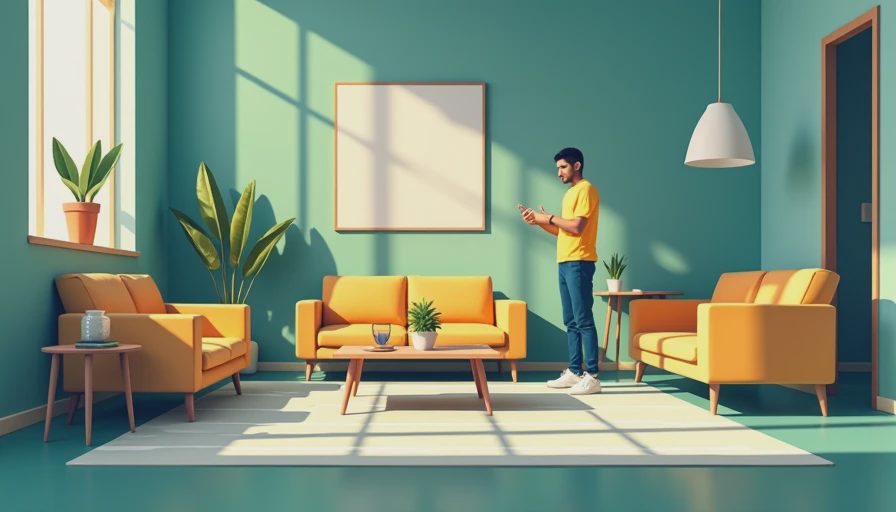
Flexible Pieces That Adapt as Kids Grow
The best family room furniture layout ideas are the ones that can change with your family. Ottomans with storage, lightweight side tables you can move easily, and chairs on casters are all smart buys. Avoid permanent built-ins until your youngest is past the climbing-drawing-sticky-fingers phase. I replaced a heavy coffee table with two smaller nesting tables—one stays by the sofa, the other gets pulled over for snacks or homework. Cheap and effective.
Think About Lighting Layers
You need more than an overhead light. Table lamps (on end tables or console) and floor lamps behind seating create warm pools of light. Use dimmer switches on the main light—it's a low-cost upgrade that changes the mood instantly. For reading corners, a swing-arm lamp pinned to a wall avoids taking up table space.
What Not To Do
Don't push all furniture against the walls. Pulling pieces away from the wall makes the room feel bigger and encourages conversation. That's a classic mistake I made in my first family room. Don't buy a huge rug that extends wall to wall; a rug should fit under the front legs of your seating but leave a border of floor showing. For a standard 12x16 room, an 8x10 rug is usually right.
Don't overcrowd. Leave some empty floor space—that's where the kids will play or where you'll stretch out after a long day. A few good pieces with room to breathe always beat a room full of furniture you bump into.
Final Take
Family room furniture layout ideas don't have to be complicated or expensive. Start with traffic flow, choose durable and flexible furniture, and add storage that works for your actual life. You don't need the fanciest house—you need fewer dumb mistakes. Trust me, your family room will feel better, and you'll spend less time rearranging and more time actually using it.




No letters yet — be the first to write.